Safari Destinations for First-Time Travelers: A Beginner’s Guide
Sun May 11 2025
Setting out on your first African safari is an awe-inspiring adventure that promises unforgettable encounters with majestic wildlife, vast landscapes, and vibrant cultures. However, planning that inaugural safari can be intimidating given the variety of destinations, accommodation choices, safari styles, and logistical considerations. This beginner’s guide focuses on helping first-time travelers select safari destinations that offer a harmonious balance of thrilling wildlife experiences, comfort, accessibility, and safety.
Tanzania, alongside its regional neighbors, offers some of the world’s best safari experiences — from the iconic plains of the Serengeti National Park and the ancient Ngorongoro Crater to the tranquil beaches of Saadani National Park and the lush trekking routes of the Udzungwa Mountains National Park. This comprehensive guide walks you through each destination, key highlights, what to expect, and practical tips to make your first safari smooth and rewarding.
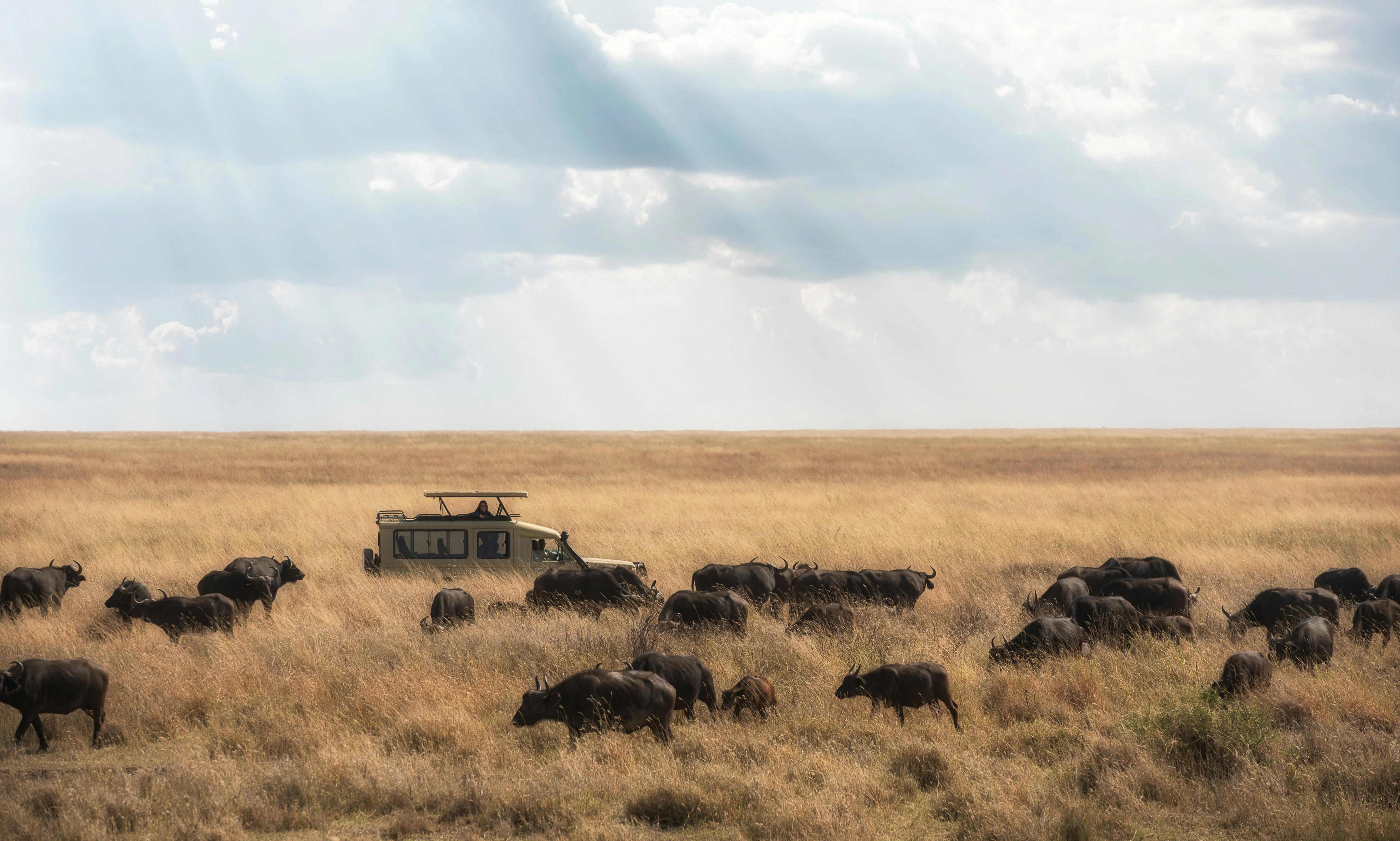
1. Serengeti National Park, Tanzania
The Serengeti National Park is arguably the quintessential African safari destination. Spanning approximately 14,750 square kilometers, it is famed for its sweeping savannahs, abundant wildlife, and the annual Great Migration — one of nature’s most spectacular events where over a million wildebeest and zebras traverse the plains in search of fresh grazing.
Wildlife and Ecosystems
Beyond the migration, the Serengeti supports vast populations of the Big Five: lions, elephants, buffalo, leopards, and rhinoceros. The park also shelters cheetahs, hyenas, giraffes, and numerous bird species. Its mosaic of habitats — from open plains to wooded areas and riverine forests — creates diverse opportunities for wildlife sightings.
Why It’s Ideal for Beginners
-
Infrastructure: The Serengeti has an array of lodges, tented camps, and mobile camps catering to all budgets, providing comfort and accessibility.
-
Guided Safaris: Knowledgeable guides lead expertly timed game drives to maximize wildlife viewing.
-
Accessibility: Easily reached by light aircraft from Arusha or Kilimanjaro International Airport, reducing travel fatigue.
-
Additional Activities: Hot air balloon safaris provide a serene aerial view; cultural visits to Maasai villages add cultural depth.
Travel Tips
-
Visit during the migration season (June–October for northern Serengeti; December–March for southern Serengeti) for the best wildlife action.
-
Prepare for early mornings and dusty roads; a good camera with zoom is essential.
-
Respect park regulations and wildlife; keep a safe distance during game drives.
2. Ngorongoro Crater, Tanzania
The Ngorongoro Crater is a UNESCO World Heritage Site and one of Africa’s most unique natural wonders. Formed from a collapsed volcano, this nearly 20-kilometer-wide caldera offers a self-contained ecosystem supporting one of the highest concentrations of wildlife on the continent.
Wildlife and Attractions
Within the crater, you can spot lions, elephants, buffalo, black rhinos (rare), zebras, and thousands of flamingos around the soda lakes. The crater floor’s rich grasslands and water sources ensure year-round animal presence. The surrounding Ngorongoro Conservation Area also offers cultural encounters with Maasai pastoralists.
Why It’s Ideal for Beginners
-
Compact Wildlife Viewing: Animals are concentrated in a relatively small area, simplifying spotting for newcomers.
-
Scenic Beauty: Dramatic landscapes and crater rim views add photographic appeal.
-
Ease of Access: Day trips from nearby lodges and Arusha make it manageable without long travel.
-
Guided Tours: Highly trained guides ensure safe, informative experiences.
Travel Tips
-
Plan for cooler temperatures, especially at night and early morning.
-
Book well ahead during peak dry seasons for availability.
-
Respect local Maasai communities and conservation efforts.
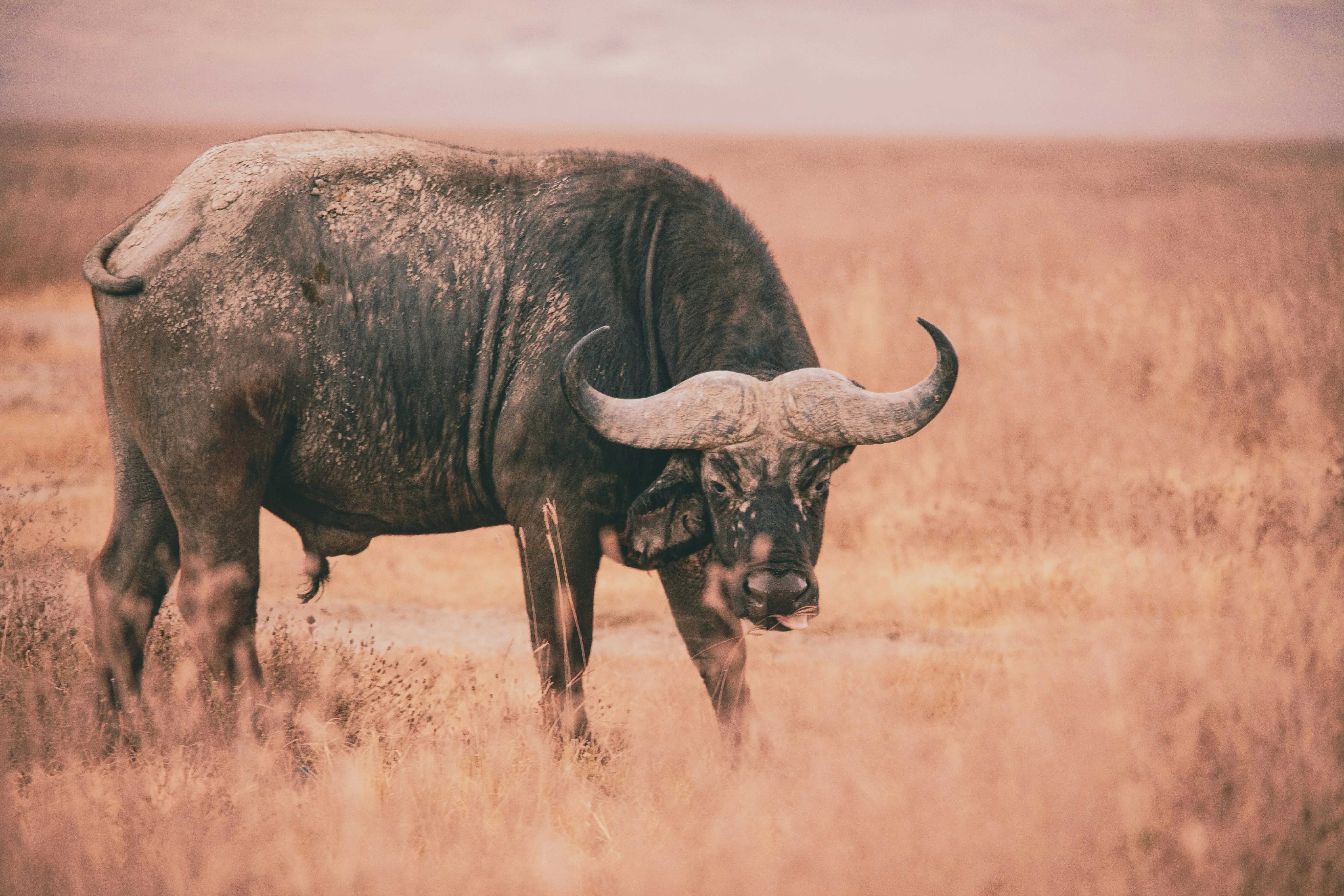
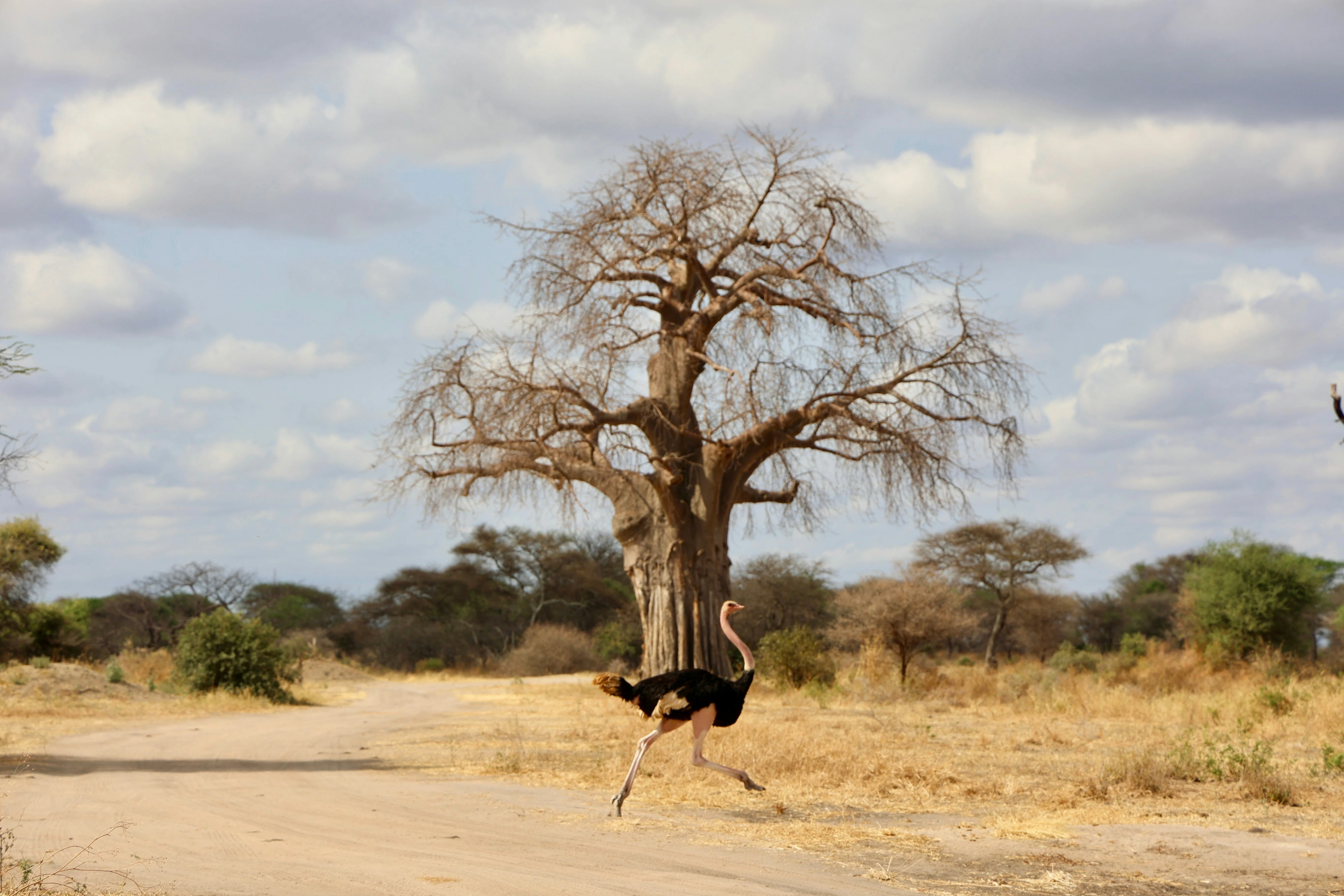
3. Tarangire National Park, Tanzania
Tarangire National Park is a gem known for its large elephant populations and striking baobab tree forests. Located south of Arusha, it is less crowded than Serengeti or Ngorongoro, offering tranquil, intimate safari experiences.
Wildlife and Landscape
Tarangire supports thousands of elephants, lions, leopards, and a plethora of birds, especially during the dry season when animals gather at the Tarangire River. The landscape is marked by iconic baobabs and seasonal swamps, creating dramatic contrasts and photographic opportunities.
Why It’s Ideal for Beginners
-
Less Crowded: Peaceful environment for relaxed game drives.
-
Diverse Wildlife: Rich birdlife and good chances to see predators.
-
Accessible Lodging: Range of camps and lodges close to the park.
-
Good Road Network: Well-maintained roads make safari drives comfortable.
Travel Tips
-
The dry season (June–October) offers peak wildlife viewing.
-
Morning and afternoon game drives maximize animal sightings.
-
Stay hydrated and protect yourself from sun exposure.
4. Selous Game Reserve (Nyerere National Park), Tanzania
The Selous Game Reserve is one of Africa’s largest protected wildlife areas and a UNESCO World Heritage Site. It offers a wilderness safari experience characterized by dense forests, rivers, and remote landscapes.
Wildlife and Experiences
Selous is home to elephants, hippos, crocodiles, lions, wild dogs, and more than 400 bird species. Unique activities include boat safaris on the Rufiji River and walking safaris — a rare opportunity to experience the bush on foot.
Why It’s Ideal for Beginners
-
Varied Safari Options: Combine game drives, boat cruises, and walks for an immersive experience.
-
Secluded Wilderness: Perfect for travelers seeking peace away from crowds.
-
Accommodations: Range from luxury lodges to more rustic camps.
-
Guided Tours: Expert guides ensure safety and rich learning experiences.
Travel Tips
-
Reachable by small plane or road; plan logistics in advance.
-
Prepare for mosquitoes and bring suitable repellents.
-
Respect park rules to preserve the fragile ecosystem.
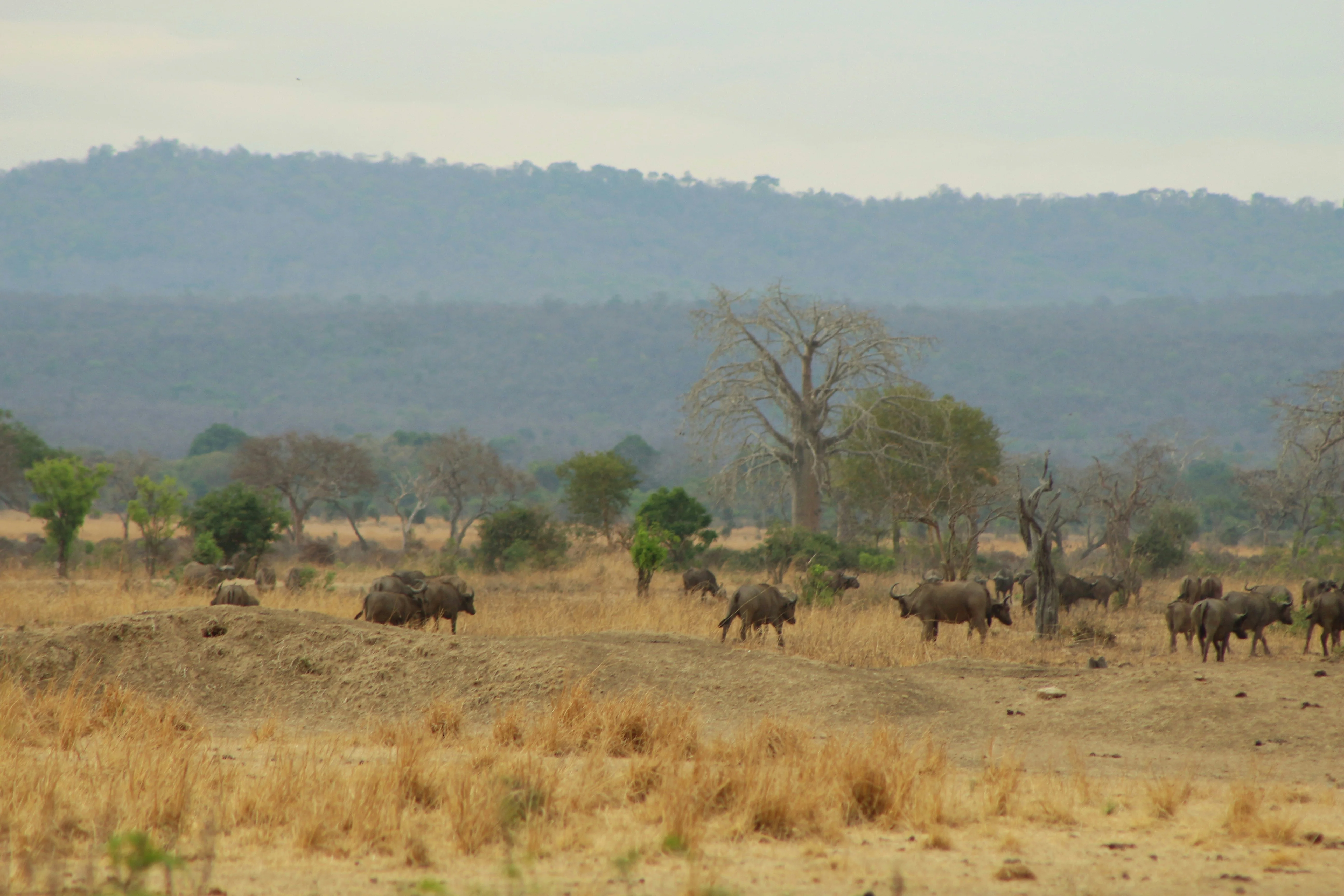
5. Mikumi National Park, Tanzania
Mikumi National Park is Tanzania’s fourth largest park and the most accessible from Dar es Salaam. It is often called the “mini Serengeti” because of its open plains and abundant wildlife.
Wildlife and Landscape
Mikumi boasts elephants, lions, leopards, giraffes, zebras, and buffalos. The park’s varying habitats include grasslands, acacia woodlands, and riverine forests.
Why It’s Ideal for Beginners
-
Close to Dar es Salaam: Convenient for short safaris or weekend trips.
-
Affordable Options: Lodges and camps fit various budgets.
-
Guided Game Drives: Knowledgeable guides enhance wildlife spotting.
-
Family-Friendly: Suitable for travelers with children.
Travel Tips
-
Visit during the dry season (June to October) for best sightings.
-
Plan early morning and late afternoon drives.
-
Bring binoculars for distant animal viewing.
6. Ruaha National Park, Tanzania
Ruaha National Park is Tanzania’s largest and least visited park, offering pristine wilderness and extraordinary biodiversity.
Wildlife and Landscape
It is a sanctuary for large elephant herds, prides of lions, leopards, cheetahs, and numerous antelope species. Its landscapes include savannah, hills, and riverine areas.
Why It’s Ideal for Beginners
-
Uncrowded: Enjoy private and peaceful safari experiences.
-
Rich Wildlife: High chances of spotting predators and rare species.
-
Lodges and Camps: Comfortable accommodations with excellent service.
-
Experienced Guides: Help navigate the remote terrain safely.
Travel Tips
-
Fly into Ruaha for quicker access; road journeys can be long.
-
Bring good walking shoes and camera gear.
-
Follow park regulations carefully.
7. Saadani National Park (Beach Safari), Tanzania
Saadani National Park is Tanzania’s only coastal wildlife reserve where the bush meets the Indian Ocean. This makes it a uniquely diverse safari destination.
Wildlife and Beach
Here, you can see elephants, lions, and antelope, and afterward, relax on pristine beaches or explore mangrove forests. Boat safaris and dolphin watching offer additional adventure.
Why It’s Ideal for Beginners
-
Combination of Safari and Beach: Perfect for travelers who want variety.
-
Less Crowded: Offers quiet, eco-friendly lodges.
-
Safe and Accessible: Just a few hours from Dar es Salaam.
-
Guided Experiences: Expert guides help beginners enjoy the diverse habitats.
Travel Tips
-
Pack swimwear and snorkeling gear for beach activities.
-
Respect wildlife and coastal ecosystems.
-
Combine your safari with relaxation days by the sea.
8. Udzungwa Mountains National Park (Trekking), Tanzania
For travelers seeking active wildlife adventures, the Udzungwa Mountains National Park provides spectacular trekking through rainforest habitats with unique flora and fauna.
Trekking Experience
You can hike to waterfalls, spot rare primates like the Sanje mangabey, and enjoy cooler mountain air.
Why It’s Ideal for Beginners
-
Well-Marked Trails: Suitable for moderate fitness levels.
-
Guided Treks: Local guides provide safety and insights.
-
Combine with Safari: Add trekking to your safari itinerary for diversity.
Travel Tips
-
Wear sturdy walking shoes and carry water.
-
Bring insect repellent and rain gear.
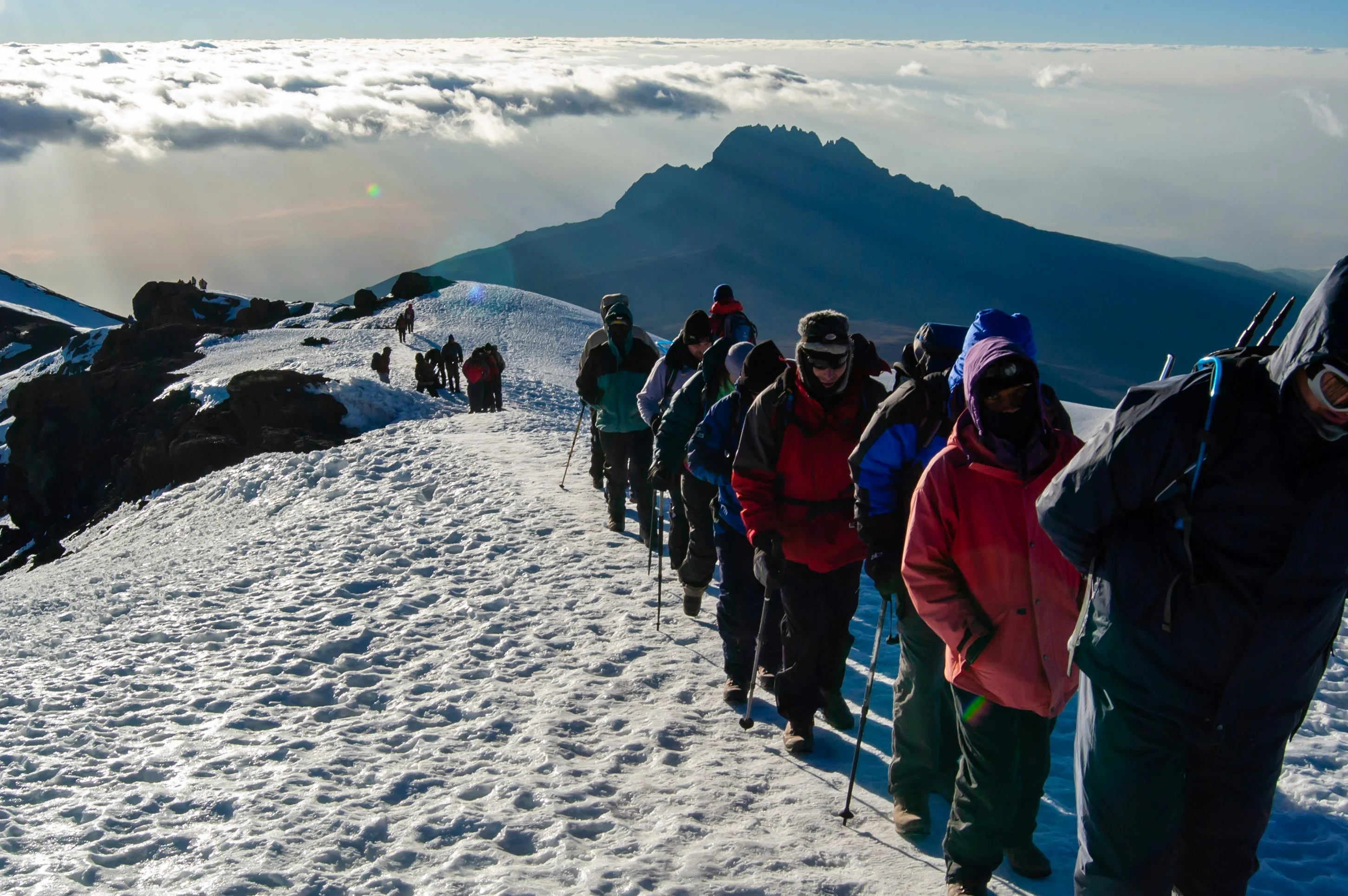
9. Kilimanjaro Trekking, Tanzania
Mount Kilimanjaro, Africa’s highest peak, is a bucket-list trekking experience. While summit attempts require preparation, there are many beginner-friendly trekking routes and base hikes.
Trekking Experience
Trekking through the rainforest, heath, and alpine zones offers breathtaking scenery and cultural interaction with local Chagga people.
Why It’s Ideal for Beginners
-
Guided Treks: Support teams and porters assist novice climbers.
-
Variety of Routes: Choose routes suited to your fitness and experience.
-
Combine with Safari: Popular to pair Kilimanjaro with a nearby safari.
Travel Tips
-
Train physically before your trek.
-
Acclimatise properly to avoid altitude sickness.
-
Travel with certified guides for safety.
Tips for First-Time Safari Travelers
-
Research Destinations: Choose parks with beginner-friendly amenities.
-
Book with Experts: Use trusted operators like Kearsley's Tanzania.
-
Pack Smart: Neutral clothes, sun protection, binoculars, and camera gear are essentials.
-
Stay Open: Wildlife sightings are unpredictable—enjoy every moment.
-
Respect Nature: Follow park rules to protect wildlife and habitats.
Conclusion
Your first safari is a gateway to an extraordinary world of wildlife, culture, and natural beauty. Tanzania’s beginner-friendly destinations and diverse safari options make it the perfect place to start this journey. With proper planning, expert guidance, and an open heart, your inaugural safari will be safe, comfortable, and unforgettable.
Begin your African adventure with confidence—explore tailored safari packages at Kearsley's Tanzania today!
Popular Searches
First-time African safari | Best safari parks in Tanzania | Beginner safari guide | African safari checklist | Serengeti National Park safari | Ngorongoro Crater wildlife | Tarangire elephant safari | Tanzania safari tips | Guided safari tours | Affordable African safari packages | Great Migration Tanzania | Tanzania safari lodges | Beach and wildlife safari | Safari and trekking combo | Kilimanjaro trekking for beginners | Safari travel planning | When to visit Tanzania for safari | Top safari destinations for beginners | Family safaris in Tanzania | Eco-tourism in Tanzania
Frequently asked Questions
What are the best safari destinations for first-time travelers?
- Masai Mara, Serengeti, Ngorongoro Crater, Tarangire, Mikumi, and Saadani are ideal for beginners due to infrastructure and wildlife availability.
Can I combine trekking and beach experiences with my safari?
- Yes, destinations like Udzungwa Mountains and Saadani National Park offer trekking and coastal safari options for added adventure.
How do I select the right safari style?
- Consider your budget, comfort preferences, and whether you want private or group tours. Trusted operators can help tailor your experience.
What should I pack for my first safari?
- Lightweight, neutral-coloured clothing, sunblock, insect repellent, comfortable shoes, binoculars, and a camera are essentials.
Is Tanzania safe for first-time safari visitors?
- Yes, traveling with reputable operators and following safety guidelines ensures a secure and enjoyable safari.
Enquire Now
Get in touch with us! Whether you have inquiries, need more information about our services, or want to make a booking, we’re here to assist you.