Exclusive Luxury Kilimanjaro Tours in Tanzania
Conquer Africa’s Highest Peak – The Majestic Mount Kilimanjaro
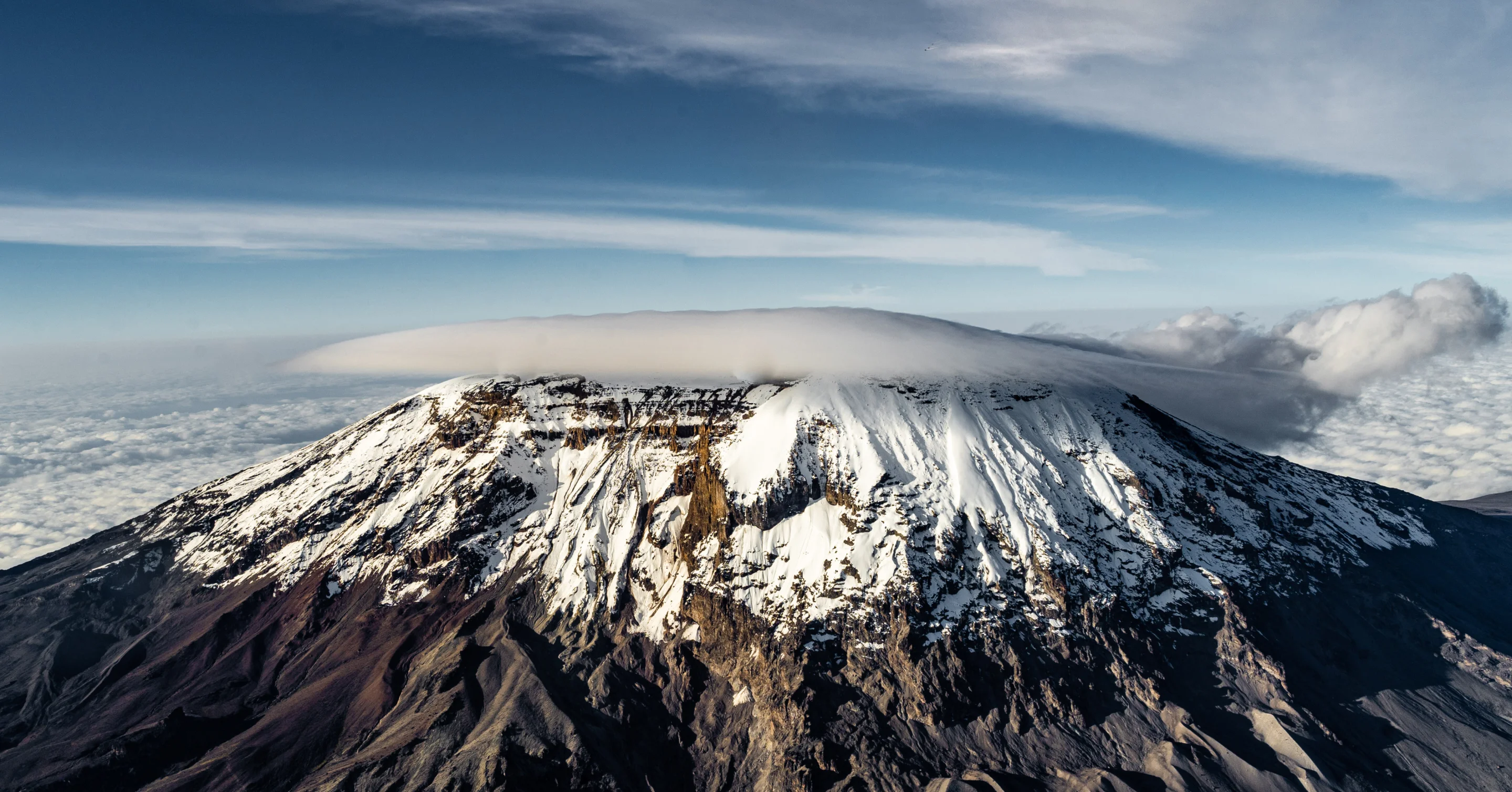
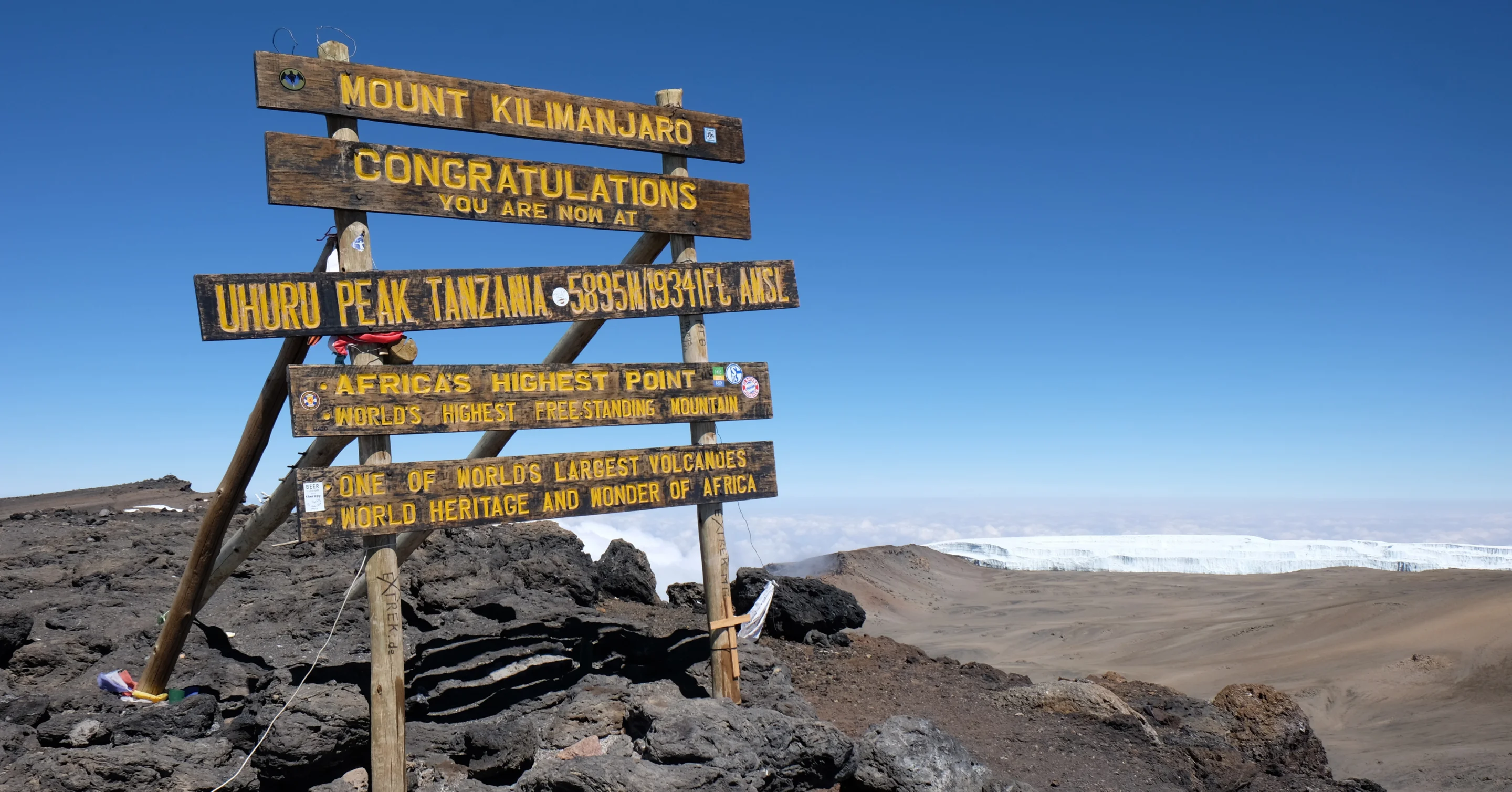
Mount Kilimanjaro, standing at an awe-inspiring 5,895 meters, is Africa’s tallest mountain and a globally renowned destination for adventure enthusiasts. Located in Tanzania, this iconic natural wonder is a UNESCO World Heritage Site and offers one of the most accessible high-altitude treks in the world. Known for its breathtaking beauty, Kilimanjaro’s snow-capped peak and diverse ecosystems draw thousands of climbers each year, making it a bucket-list experience for travelers.
Whether you're an experienced hiker or a first-time trekker, Mount Kilimanjaro’s well-established routes offer a range of climbing experiences. From the lush rainforests at its base to the barren landscapes near its summit, the mountain’s ecological zones provide a unique trekking experience. Reaching the "Roof of Africa" is a life-changing adventure, offering stunning views and an unparalleled sense of achievement.
Things to do Mount Kilimanjaro
- Trekking to Uhuru Peak: Challenge yourself with a trek to the summit of Mount Kilimanjaro, Africa's highest point, via one of its multiple climbing routes, including the popular Marangu and Machame routes.
- Wildlife Safaris at Kilimanjaro National Park: Explore the foothills of Kilimanjaro, where the national park is home to elephants, buffalos, monkeys, and an array of bird species.
- Day Hikes: For those short on time, opt for a day hike to experience Kilimanjaro’s lush rainforests and waterfalls without committing to a full summit climb.
- Explore Chala Crater Lake: Visit this stunning crater lake on the southeastern side of Kilimanjaro for a peaceful retreat and scenic beauty.
- Shira Plateau: Trek the Shira Route to experience the dramatic landscapes of the Shira Plateau, with its vast open plains, wildlife, and volcanic formations.
- Cultural Tours: Engage with the Chagga people who live on the mountain’s lower slopes, and learn about their traditions, farming practices, and local cuisine.
- Visit Materuni Waterfalls: Discover the stunning Materuni Waterfalls near Kilimanjaro, perfect for nature lovers seeking a day trip with beautiful scenery.
- Coffee Farm Tours: Experience Kilimanjaro’s renowned coffee plantations, learning about the cultivation and production process from local farmers.
- Paragliding: Take an exhilarating paragliding flight over the slopes of Mount Kilimanjaro for a bird’s-eye view of the majestic landscape.
Fascinating Facts
- The Roof of Africa: Mount Kilimanjaro is the highest free-standing mountain in the world and the tallest in Africa, offering trekkers a unique and unforgettable challenge.
- Seven Summits: Kilimanjaro is part of the Seven Summits, a collection of the highest mountains on each continent, making it a coveted destination for climbers worldwide.
- Ecological Zones: As you ascend Kilimanjaro, you'll pass through five distinct ecological zones, from lush rainforest to alpine desert, before reaching the icy summit.
- UNESCO World Heritage Site: Mount Kilimanjaro was designated as a UNESCO World Heritage Site in 1987 for its stunning landscapes and diverse ecosystems.
- A Volcano in Dormancy: Kilimanjaro is a dormant volcano with three cones: Kibo, Mawenzi, and Shira, the first of which is where the famous Uhuru Peak is located.
- No Technical Climbing: Despite its great height, Kilimanjaro is considered a non-technical climb, making it accessible to adventurers of varying skill levels with proper preparation.
Frequently Asked Questions
What is the best time of year to climb Mount Kilimanjaro?
- The best times to climb Mount Kilimanjaro are December to mid-March and mid-June to the end of October, when conditions are drier, skies are clearer, and summit views are at their most spectacular. January and February in particular are considered the driest months, making them ideal for first-time climbers seeking the highest chance of success.
How many days are required for a Mount Kilimanjaro climbing expedition?
- A 7–8 day climb is the optimal length, giving your body enough time to acclimatize and greatly reducing the risk of altitude sickness, while shorter 5–6 day itineraries are available but carry a significantly lower summit success rate. Kearsleys also offers extended packages that combine the climb with post-trek safari days for a fuller Tanzania experience.
Which routes are available for climbing Mount Kilimanjaro?
- The most popular routes are Marangu and Machame. Other well-known options include Lemosho, Rongai, Shira, Umbwe, and the Northern Circuit. The Machame Route is especially popular for its scenic views and high success rate.
What is the success rate for reaching the summit of Mount Kilimanjaro?
- The average summit success rate is around 70–80%. Longer 7–8 day routes can reach up to 85%, while shorter 5-day climbs may have success rates as low as 25–30% due to limited acclimatization time.
Is Mount Kilimanjaro suitable for beginner trekkers?
- Yes, Mount Kilimanjaro is a non-technical climb, meaning no mountaineering experience is required. With proper preparation, fitness, and acclimatization, beginners can successfully reach the summit.
What equipment and gear are required for climbing Mount Kilimanjaro?
- Essential gear includes waterproof clothing, layered outfits, sturdy hiking boots, a headlamp, sunglasses, a warm hat, and a reusable water bottle. Proper layering is key to handle Kilimanjaro’s varying climates from base to summit.
Can a Mount Kilimanjaro trekking package be combined with a Tanzania safari or Zanzibar beach holiday?
- Yes, Mount Kilimanjaro treks can be combined with a Tanzania safari or a Zanzibar beach holiday, allowing travelers to enjoy both the climb and wildlife or coastal experiences in one trip.