Mt Meru Climb: 10 Things to Know Before You Go | Kearsleys
Wed Sep 03 2025
Top 10 Things You Need to Know Before Climbing Mt Meru in Tanzania
Mount Meru, the majestic "little brother" of Mount Kilimanjaro, is an incredible but challenging climb. Located within Arusha National Park in Tanzania, this dormant stratovolcano offers stunning views and a unique trekking experience. Before you lace up your boots, here are the top 10 things you need to know to ensure a successful and memorable adventure.
1. Mount Meru is NOT in the Himalayas
This is a common point of confusion. There is a "Meru Peak" in the Himalayas, but the Mount Meru you're looking for is a completely different mountain, located in Tanzania, Africa. The Tanzanian Mount Meru is the fifth-highest peak in Africa, standing at 4,566 meters (14,980 feet), and offers a distinctly African trekking experience.
2. Mount Meru Climbing Difficulty
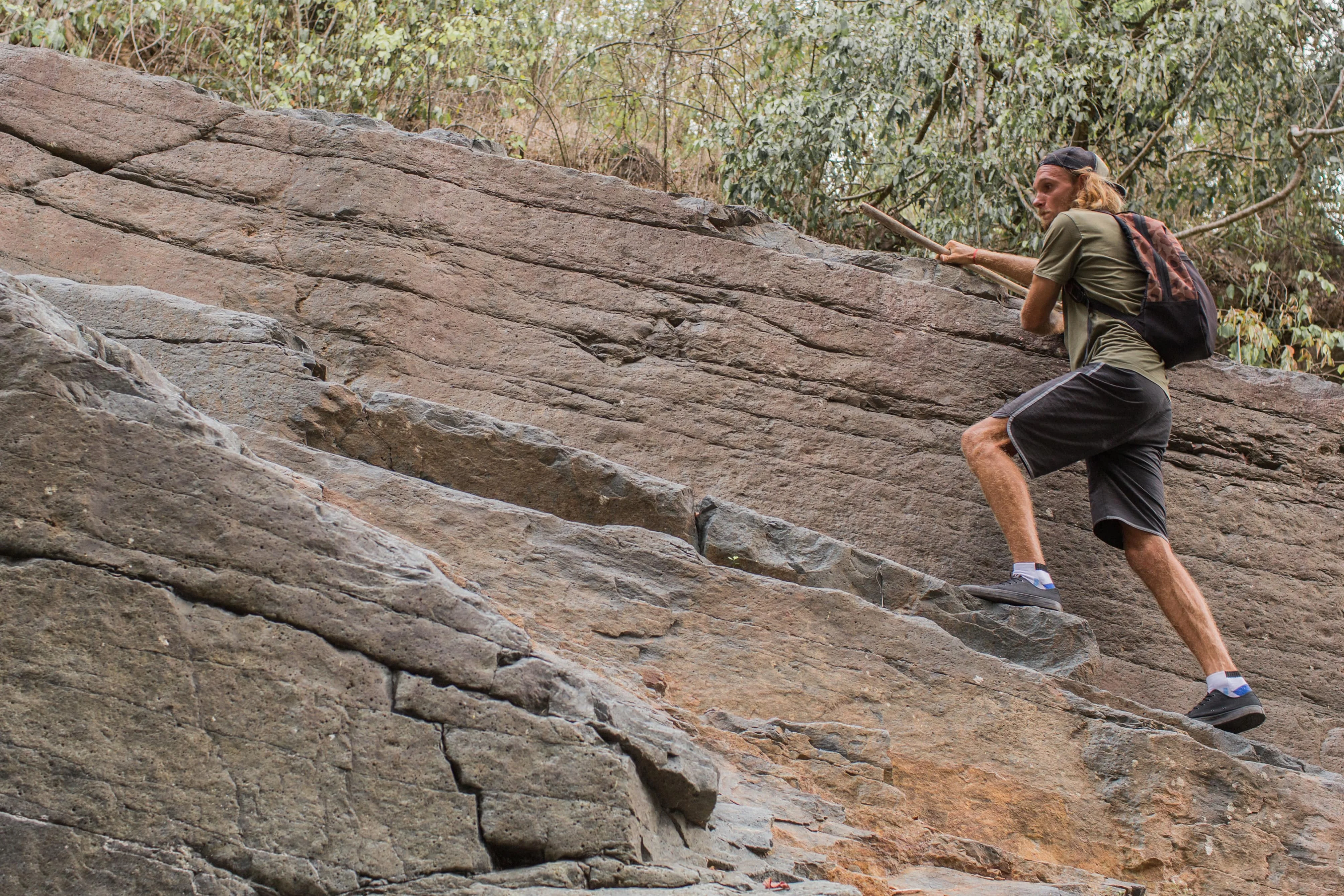
Mount Meru is a challenging, high-altitude trek suitable for those with good hiking fitness. The climb is often considered steeper and more physically demanding than Kilimanjaro on a day-to-day basis. The summit push, in particular, is a long day (12-15 hours) with a significant elevation gain.
3. It’s an Ideal Acclimatization Climb for Kilimanjaro
Due to its similar altitude and terrain, many climbers use Mount Meru as a warm-up for a Kilimanjaro trek. This helps their bodies acclimatize to high altitudes and increases their chances of a successful summit on Africa's highest peak.
4. You Will be Accompanied by an Armed Ranger
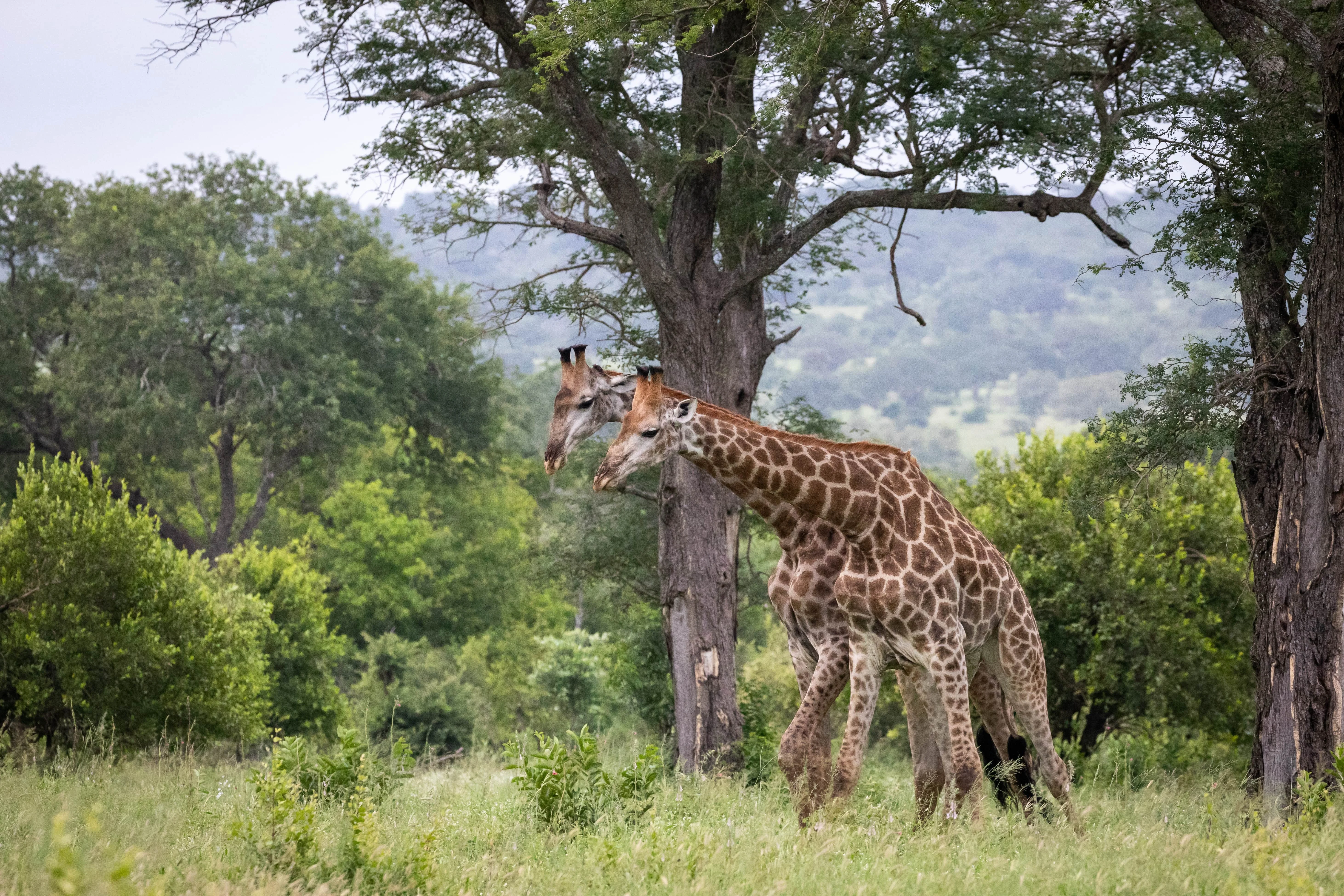
Mount Meru is located in a national park teeming with wildlife, including giraffes, elephants, and buffalo. For your safety, an armed park ranger is required to accompany trekking groups on the lower slopes, from the Momella Gate up to the Miriakamba Hut.
5. The Route is Fixed and the Scenery is Spectacular
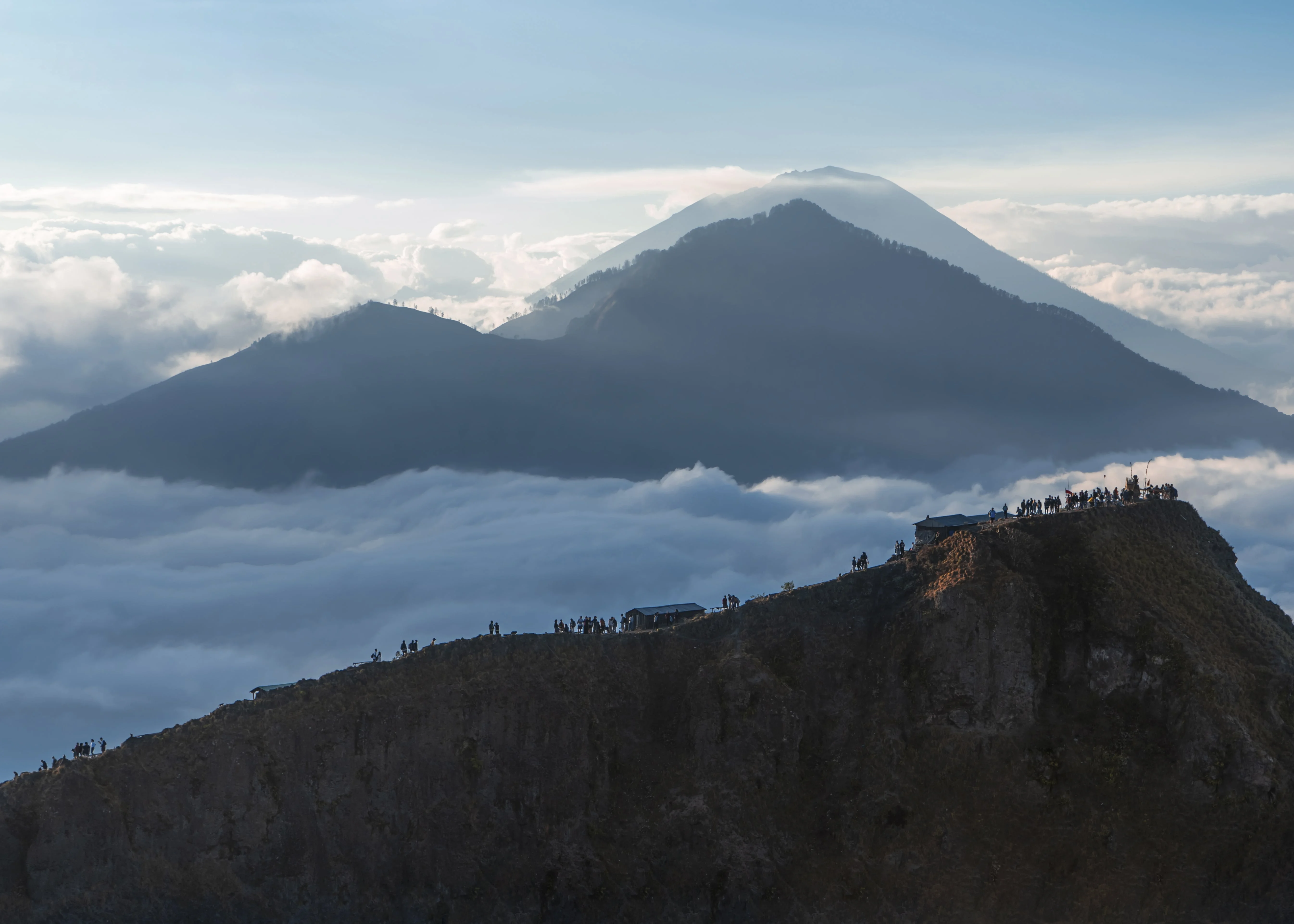
Unlike Kilimanjaro, Mount Meru has only one standard climbing route. This journey takes you through several different ecological zones, from the lush montane forest to the high-altitude moorland. The summit, known as Socialist Peak, offers breathtaking views of the surrounding plains and a spectacular, close-up look at Mount Kilimanjaro.
6. Summit Day is Tough, but Rewarding
The summit day starts in the early hours of the morning (around 2 a.m.) to reach the peak for sunrise. The trail is steep and involves navigating a narrow ridge with sheer drops, which can be mentally and physically taxing. However, watching the sunrise over the African landscape from the top is an unforgettable reward.
7. Prepare for the Altitude
While not as high as Kilimanjaro, altitude sickness is still a real risk. The rapid elevation gain on a 3-day or 4-day trek means your body has less time to acclimatize. Ascending slowly, staying hydrated, and listening to your guide are crucial for success.
8. Hotels and Lodges near Mount Meru in Tanzania
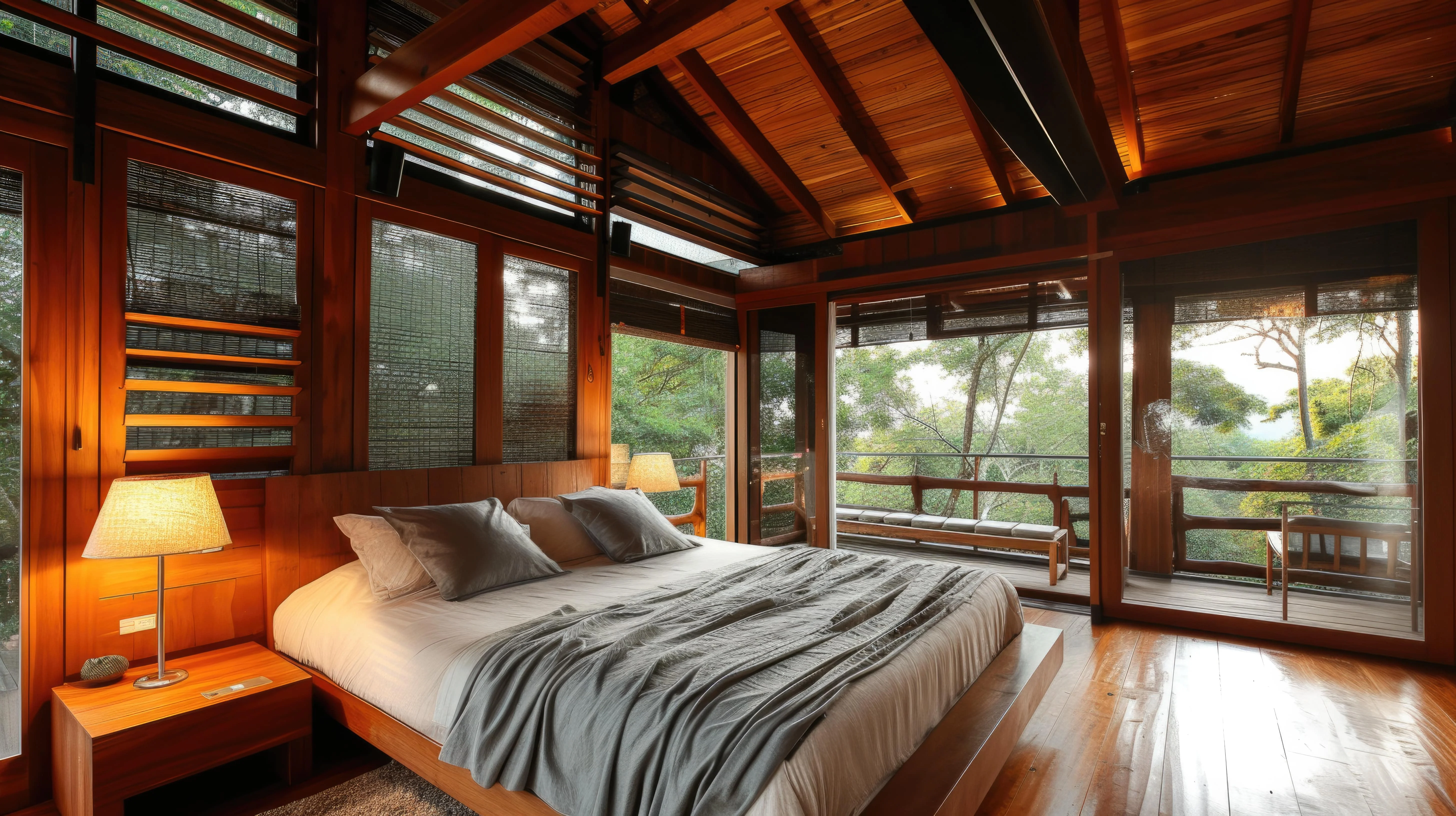
Most treks begin from the nearby city of Arusha. You can find several comfortable accommodations there before or after your climb. Notable options include the Mount Meru Hotel, a luxurious hotel with a spa and pool, and the Mount Meru Game Lodge, a rustic lodge with an on-site wildlife sanctuary.
9. The Best Time to Climb
The best time to climb is during the dry season, from June to mid-March. This avoids the long rainy season from April to May. Climbing during the short dry season in January and February is also excellent, offering clear views and cooler temperatures.
10. You Need a Reputable Tour Operator
Climbing Mount Meru requires proper permits, a certified guide, and a well-equipped team. Choosing a reputable tour operator is essential for your safety and success. They will handle all logistics, from park fees and accommodation to providing an experienced guide and porters.
Ready to Conquer Mount Meru?
If you're feeling inspired and prepared for this incredible challenge, check out our Mount Meru trekking packages and start your journey today. Fill out our contact form to get more information and receive a personalized itinerary for your Mount Meru adventure.
Frequently asked Questions
How much does it cost to climb Mount Meru?
- The cost of climbing Mount Meru varies widely depending on the tour operator, group size, and itinerary length. A 4-day group climb generally ranges from $800 to over $1,500 USD per person. This price typically includes park fees, an armed ranger, a certified guide, porters, all meals, and accommodation in the mountain huts.
What is the required fitness level for climbing Mt. Meru?
- While you don’t need to be an elite athlete, a good level of cardiovascular fitness and endurance is essential. The trek is physically demanding due to its steep ascents and high altitude. It's recommended to train with regular cardio exercises, hill walking, and long hikes with a daypack for at least a few months prior to your trip.
Is it safe to climb Mount Meru?
- Yes, it is considered a very safe climb when you go with a reputable tour operator. The primary safety concerns are wildlife and altitude sickness. An armed park ranger accompanies every group on the lower slopes to protect against animals, and experienced guides are trained to monitor and manage symptoms of altitude sickness.
What gear do I need to bring for the climb Mt Meru in Tanzania?
- A comprehensive gear list is vital. Essentials include:,Footwear: Broken-in, waterproof hiking boots.,Clothing: Layered clothing with moisture-wicking base layers, fleece mid-layers, and a waterproof jacket and pants. Avoid cotton.,Cold Weather Gear: A warm hat, gloves or mittens, and a down or insulated jacket for the cold summit night.,Equipment: A headlamp with spare batteries, a reusable water bottle or hydration pack, and trekking poles.
How many days does it take to climb Mount Meru?
- Most climbers choose either a 3-day or a 4-day itinerary. The 4-day itinerary is highly recommended as it allows for a shorter summit day and provides a crucial extra day for acclimatization, which significantly increases your chances of a successful and comfortable climb.
Enquire Now
Get in touch with us! Whether you have inquiries, need more information about our services, or want to make a booking, we’re here to assist you.