Mkomazi National Park: Rhino Sanctuary, Wild Dogs and Kilimanjaro Views
Wed Oct 21 2026
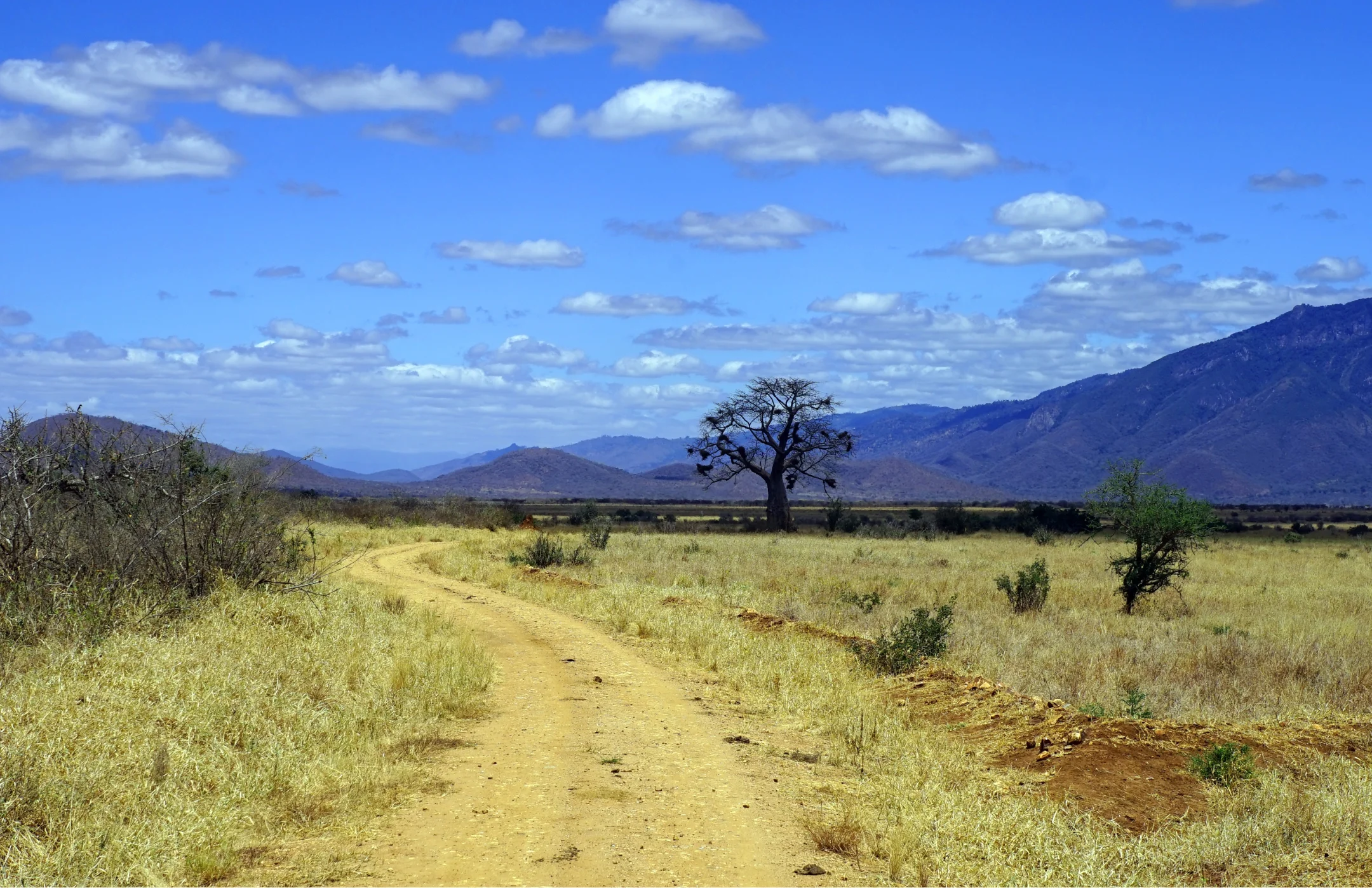
Mkomazi National Park is one of the quietest parks in Tanzania, and it has one of the best conservation stories. It lies in the north-east, near the Kenyan border, and it is home to a guarded black rhino sanctuary and a wild dog project. On clear mornings, you also get views of Mount Kilimanjaro. This guide explains what you can see, when to go, and how to fit it into a trip. You can also see our full Mkomazi National Park safari page for the park overview.
Where Is Mkomazi National Park?
Mkomazi sits in north-eastern Tanzania, close to the Kenyan border. It is part of the wider Tsavo ecosystem, so it shares a boundary with Tsavo National Park in Kenya. As a result, animals such as elephants can move between the two countries.
The park is reached by road through the town of Same, which lies on the highway between Arusha and Dar es Salaam. It also sits close to Mount Kilimanjaro and the Pare Mountains, so it fits easily around a Kilimanjaro trip.
A Short History of Mkomazi
Mkomazi was once a game reserve, and it suffered badly from poaching and heavy use. Elephants and rhinos were hit hardest. In 1989, the Tanzanian government invited the George Adamson Wildlife Preservation Trust to help restore the area. The work was led in the field by Tony Fitzjohn, who had worked for many years with the conservationist George Adamson.
The team rebuilt roads, water points and anti-poaching patrols. They also set up breeding and reintroduction projects for black rhinos and African wild dogs. Later, in 2008, Mkomazi became a national park under TANAPA. So today, the park is a working example of how wildlife can recover when it gets the right protection.
The Mkomazi Rhino Sanctuary: What to Expect
The rhino sanctuary is the park's best-known attraction. It is a fenced and guarded area inside the park, where black rhinos were reintroduced and now breed. Because the area is protected, you have a much better chance of seeing a rhino here than in open bush.
A visit is different from a normal game drive. You learn how the sanctuary works, why rhinos need this level of protection, and how rangers keep them safe. Visits are arranged through the park, so your guide will book the time for you. Even so, rhinos are wild animals, so no sighting can be promised.
If you want to compare rhino options across the country, read our guide on where to see black rhino in Tanzania. It explains why Ngorongoro Crater is the easiest place, and why Mkomazi suits travellers who want a quieter, conservation-led visit.
Wild Dogs in Mkomazi
African wild dogs are among the most endangered predators in Africa. Mkomazi has a long-running breeding and release project, and dogs bred here have been released into the park. As a result, packs now live freely across the area.
Wild dogs cover a lot of ground, so you cannot plan on seeing them. Some trips find a pack quickly, and others do not. Early morning drives give you the best chance, because the dogs are most active when it is cool. A guide who talks to the rangers will also know where the dogs were seen last.
Kilimanjaro Views and Landscape
Mkomazi is dry, open country. Savannah and thorn bush spread across the plains, and hills and mountains rise on the horizon. The Pare Mountains lie to the south, and Mount Kilimanjaro stands to the north-west.
On a clear day, Kilimanjaro rises above the plains in a way that is hard to forget. However, clouds often cover the peak by midday. For that reason, plan your best viewing for early morning or late afternoon.
If you are thinking about the climb itself, see our Mount Kilimanjaro trekking page. Mkomazi makes a calm and rewarding stop after the mountain, since you can rest and watch wildlife instead.
Other Wildlife and Things to Do
The rhinos and wild dogs are the headline, but the park offers more.
-
Game drives through dry-country habitat, with giraffes, zebras, elephants and antelope
-
Dry-country species that are hard to see elsewhere, such as the gerenuk and the fringe-eared oryx
-
Bird watching, with ostriches, hornbills and many other species
-
Guided walking safaris in the park's rugged country
-
Visits to Maasai villages near the park, to learn about traditional life
-
Camping under the stars, for a peaceful night in the bush
Mkomazi has fewer animals than the Serengeti, and it does not have a Great Migration. What it offers instead is space, quiet and a close look at conservation in action.
When Is the Best Time to Visit Mkomazi?
The dry seasons are best. These run from June to October and from January to February. During these months, the tracks are firmer, animals gather near water, and the air is clearer for mountain views.
The long rains from March to May are the months to avoid. Rain can make tracks hard to use, and the skies are often hazy. Mkomazi is also hot, so a morning start with a rest in the middle of the day works well.
How to Fit Mkomazi Into Your Trip
Most travellers visit Mkomazi as an add-on. Two nights is a good plan, because it gives you time for the sanctuary, a full game drive, and a morning to look for wild dogs.
-
After a Kilimanjaro climb, as a quiet way to rest and see wildlife
-
Before or after a northern circuit safari, as a contrast to the busier parks
-
As part of a longer trip for repeat visitors who want something different
If quiet parks appeal to you, our guide to the hidden gems of Tanzania covers other off-the-beaten-path safaris worth considering.
Is Mkomazi Right for You?
It depends on what you want from a safari. Mkomazi is a good fit if you like conservation stories, quiet parks and mountain views. It also suits repeat visitors who have already seen the Serengeti.
It is not the best choice if your main goal is the Great Migration or huge herds. In that case, the northern circuit is a better first stop, and Mkomazi can come later.
Plan Your Mkomazi Safari With Kearsleys
We have been arranging safaris in Tanzania since 1948. We can add Mkomazi to a Kilimanjaro trip or a northern circuit safari, and we will time it for the best season. Start with our Mkomazi National Park page, or browse all of our Tanzania safari packages.
Frequently asked Questions
Where is Mkomazi National Park?
- Mkomazi National Park is in north-eastern Tanzania, near the Kenyan border. It is part of the wider Tsavo ecosystem and lies close to Mount Kilimanjaro and the Pare Mountains. You can reach it by road via the town of Same, on the highway between Arusha and Dar es Salaam.
Can you see black rhino in Mkomazi?
- Yes, in the park's rhino sanctuary. The sanctuary is a guarded, fenced area where black rhinos were reintroduced and now breed. Visits are arranged through the park, and sightings are much more likely here than in open bush, but no wild sighting is ever guaranteed.
Are wild dogs guaranteed at Mkomazi?
- No. Mkomazi has a long-running wild dog breeding and release project, and dogs now live freely in the park. They roam over a wide area, so sightings are never promised. Early morning drives with an experienced guide give you the best chance.
Can you see Kilimanjaro from Mkomazi National Park?
- Often, yes. On clear days, Mount Kilimanjaro rises above the plains in the north-west of the park. Clouds usually cover the peak by midday, so early morning and late afternoon give the best views.
What is the best time to visit Mkomazi?
- The dry seasons are best, from June to October and from January to February. Tracks are firmer, animals gather near water, and the skies are clearer for mountain views. The long rains from March to May are the months to avoid.
How many days do you need in Mkomazi?
- Two nights is a good plan. This gives you time for the rhino sanctuary, a full game drive, and a morning for wild dogs or a guided walk. A shorter stay is possible, but you will have little time to look for the more elusive wildlife.
Is Mkomazi part of the northern safari circuit?
- No. Mkomazi sits off the usual northern circuit of Serengeti, Ngorongoro and Tarangire. It is quieter, and it works well as an add-on before or after a Kilimanjaro climb or a northern circuit safari.
Enquire Now
Get in touch with us! Whether you have inquiries, need more information about our services, or want to make a booking, we’re here to assist you.